You can buy a share of Apple, Nike or Nvidia in a few taps on a brokerage app. You cannot buy a share of OpenAI, the company behind ChatGPT, no matter how much money you have.
That is because OpenAI is a private company, and this month its CEO made clear it plans to stay that way for now.
What Happened
In an interview with Fortune published September 12, OpenAI CEO Sam Altman said the company will not go public in 2026. He called this year an ill-advised moment for a listing and tied the delay to concerns about AI safety. OpenAI has already filed confidential paperwork for an initial public offering, and The New York Times reported in June that the company had hired bankers and lawyers for a possible listing later this year. Instead, Bloomberg reported on September 29 that OpenAI is looking to raise at least 30 billion dollars from private investors at a valuation of about 1.4 trillion dollars. Its annualized revenue is reportedly nearing 70 billion dollars.
Why It Matters
If OpenAI went public at anything close to that valuation, it would be one of the largest IPOs in history. Everyday investors, including people saving for retirement, would finally be able to own a piece of it. By staying private, OpenAI keeps that opportunity limited to big players like venture capital firms, tech giants and large funds. It also avoids many of the rules public companies must follow, like publishing detailed financial results every quarter. Some analysts think market conditions play a role too. Tech stocks have been volatile and interest rates are rising, which can make public investors less willing to pay sky-high prices.
"Before an IPO, the early growth belongs to insiders. After it, anyone can buy in, often at a much higher price."
The Concept: What Is an IPO?
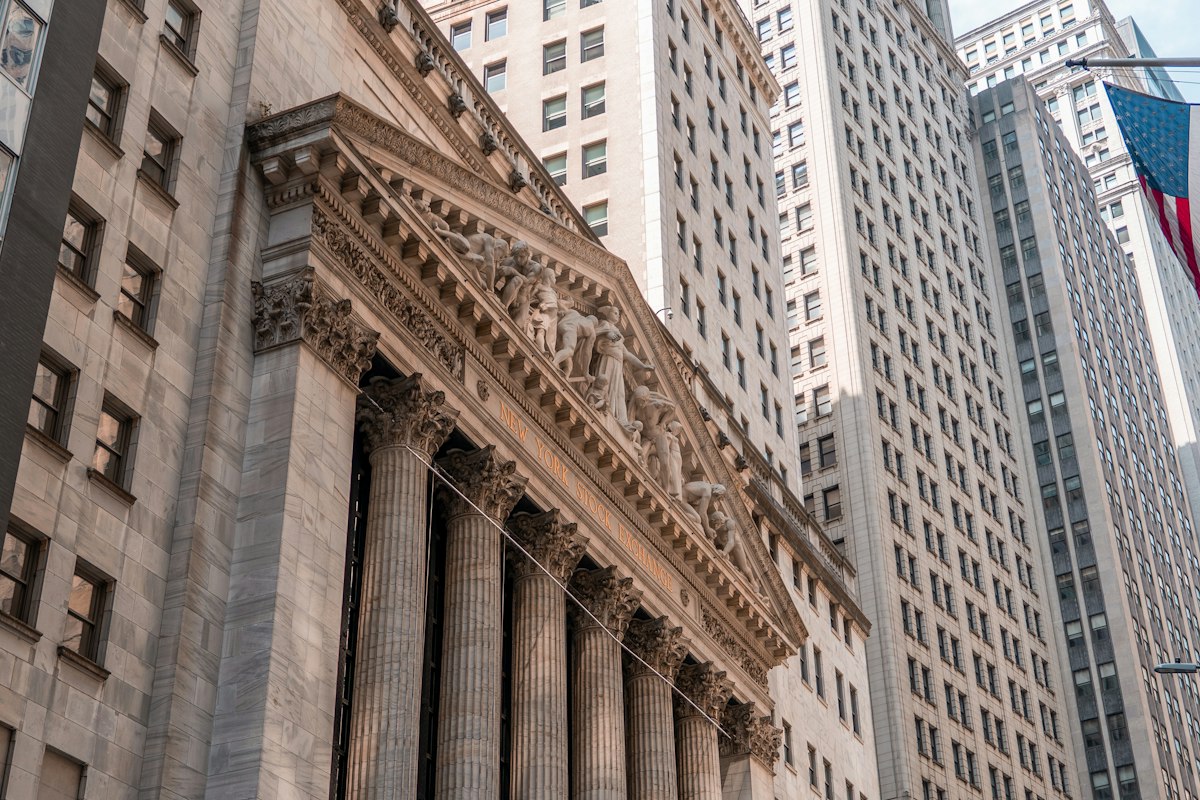
IPO stands for initial public offering. It is the first time a private company sells shares to the general public on a stock exchange like the Nasdaq or the New York Stock Exchange. Before an IPO, a company is usually owned by its founders, employees and private investors. After an IPO, anyone with a brokerage account can buy in. Companies go public mainly to raise a large amount of money to grow, and to let early investors and employees turn their shares into cash they can actually use. The trade-off is scrutiny. Public companies must share their finances with the world, answer to thousands of shareholders and live with a stock price that can swing every day. A private funding round, like the one OpenAI is pursuing, is the alternative: the company sells a slice of itself to a small group of investors instead. The valuation is the price tag those investors agree on. A 1.4 trillion dollar valuation means those investors are acting as if the whole company is worth that much, even though no one can buy it on the open market.
Why Teens Should Care
Many of the biggest companies of your lifetime may stay private longer than companies used to, which means a lot of their early growth happens before regular investors can buy in. That is part of why IPO days get so much hype, and why they can be risky. New stocks often swing wildly in their first months, and some end up trading below their IPO price. If you ever feel the urge to buy the hot new IPO on day one, remember that many of the people selling to you are insiders who got in years earlier at a much lower price. Knowing how IPOs work also matters if you ever join a startup. Stock options only turn into real money when there is a way to sell them, and an IPO is one of the main ways that happens.
An IPO is when a private company first sells shares to the public. OpenAI is choosing to stay private for now, a reminder that a huge valuation and a stock you can actually buy are not the same thing.
Want more breakdowns like this?
We break down companies, markets, and money every week — in plain English.
Sources
Bloomberg (Sept 12 and Sept 29, 2026) · TechCrunch (Sept 12, 2026) · Fortune (Sept 12, 2026) · Invezz citing Axios and Bloomberg (Sept 29, 2026)