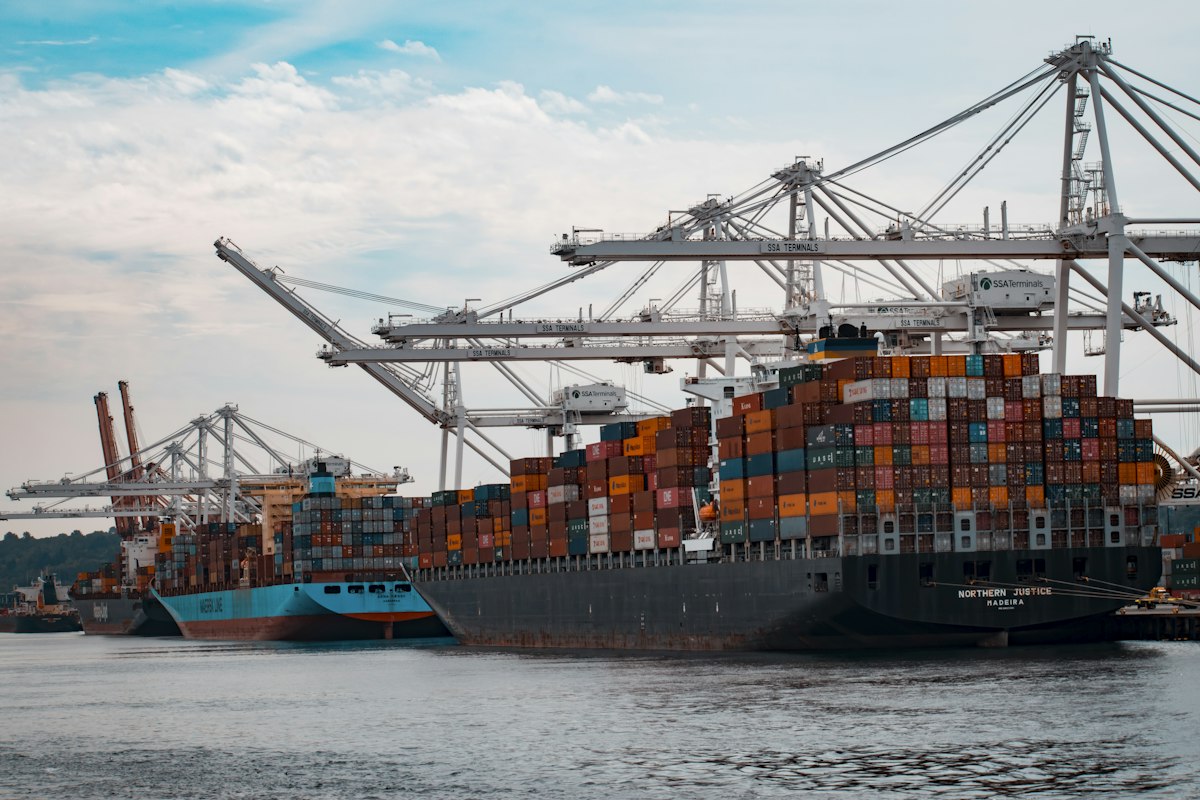
The U.S. announced sweeping new tariffs in April 2025 — including 145% on most Chinese goods and a 10% baseline on nearly all imports.
The hoodie you bought on Shein might cost 60% more next year.
Not because of random price increases. Not because of bad luck. Because of a political decision made in Washington about trade with China — and the consequences are landing directly on the things teens buy most.
What Happened
In April 2025, the U.S. government announced sweeping new tariffs on imports from dozens of countries. A 10% baseline tariff now applies to nearly all imported goods, with much steeper rates targeting specific countries — including 145% on most Chinese goods. Markets immediately dropped. China, the EU, and others announced retaliatory tariffs on American exports. The world's biggest trading relationships shifted overnight.
This is one of the largest changes to U.S. trade policy in modern history. And you're going to feel it.
Why It Matters
The U.S. imports over $400 billion worth of goods from China every year — electronics, clothing, footwear, batteries, toys. The vast majority of consumer products sold in America touch Chinese manufacturing somewhere in the supply chain. When tariff rates go up, prices follow. And those prices don't stay in a warehouse. They land at checkout.

The Concept: What a Tariff Actually Is
A tariff is a tax on imported goods. Simple in theory, messy in practice. Here's how it flows from factory to you:
"Tariffs are a political tool with an economic cost — and consumers almost always pay the bill, not the countries being targeted."
Why This Hits Teens Specifically
Look at the products you actually buy. Almost all of them are caught in the middle of this trade war.
Tariffs can make sense as a long-term strategy — they can push companies to manufacture in America, protecting jobs. But that shift takes 5–10 years. In the short term, prices go up and consumers pay the difference. That means you.
Tariffs are a political tool with an economic cost — and consumers almost always pay the bill, not the countries being targeted.
Stay on top of what's happening.
We break down the biggest business and financial news every week, in plain English.
Sources
U.S. Trade Representative (USTR.gov) · Wall Street Journal · Nike FY2024 10-K · Reuters · Peterson Institute for International Economics