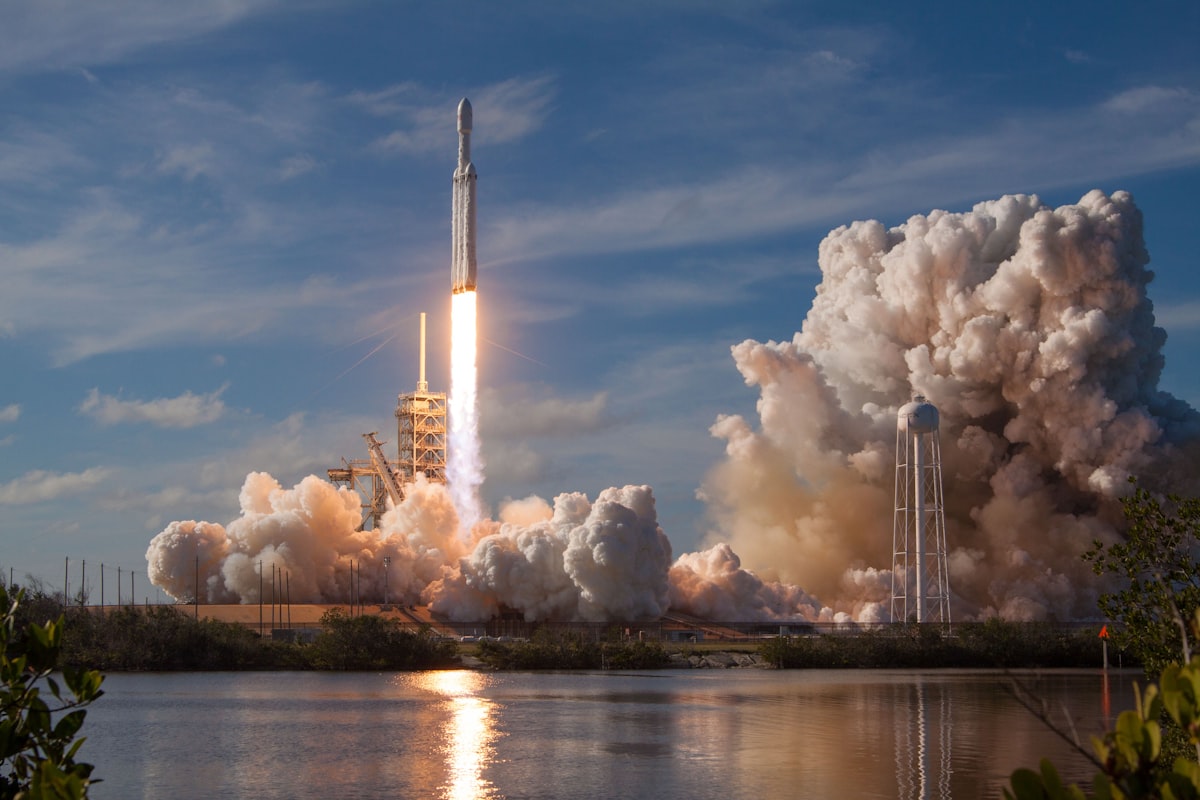
On June 12, 2026, SpaceX did something no company has ever done.
It went public — meaning it sold shares of itself to anyone with a brokerage account — and raised $75 billion in a single day. That's more than the GDP of most countries. It's bigger than the previous IPO record (Saudi Aramco's $29 billion in 2019) by more than 2x. And it made Elon Musk, who already owned half the company, the world's first trillionaire.
But here's the thing most teens don't know: SpaceX doesn't really make most of its money from rockets anymore. The real story is somewhere else entirely.
What Happened
SpaceX sold 555.6 million shares at $135 each, raising $75 billion in cash. That gives the company a total market value of $1.77 trillion — only 6 companies in the entire S&P 500 are worth more (Nvidia is #1 at around $5.2 trillion).
The IPO came after SpaceX merged with xAI — Musk's artificial intelligence company that also owns X (formerly Twitter) — in February 2026. That merger turned SpaceX from a rocket company into a rocket + internet + AI conglomerate.
Why It Matters
An IPO (Initial Public Offering) is the moment a private company opens itself up to public investors for the first time. Before this, you couldn't buy a piece of SpaceX unless you were a billionaire with the right connections. Now, anyone with a Robinhood account can own a fraction of it.
That changes everything. SpaceX now has a giant pile of cash to spend on whatever Musk wants — including space-based data centers, AI compute satellites, and Starship development. And every move the company makes is now public.

The Concept: How SpaceX Actually Makes Money
SpaceX has three business lines, and only one of them is profitable. This is the part most news stories skip.
| Segment | What It Does | 2025 Revenue | Profitable? |
|---|---|---|---|
| Starlink (Connectivity) | Satellite internet | $11.4B (61% of total) | ✅ $4.4B profit |
| Space | Rockets & launches | ~$5B | ❌ Losing money |
| AI (xAI/Grok/X) | AI models & social media | ~$2B | ❌ $6B+ loss |
That's right — Starlink is the entire business right now. The rockets people associate with SpaceX (Falcon 9, Starship) lose money. The xAI division loses even more — over $6 billion in 2025 alone. The only thing keeping SpaceX afloat is satellite internet subscribers.
And there are a lot of them: 10.3 million Starlink users in over 160 countries, up from just 1 million in 2022. That's roughly the population of Sweden, all paying ~$80/month for internet from space.
"SpaceX isn't a rocket company anymore. It's an internet provider that happens to own rockets."
The Concept: What an IPO Actually Does
When a company "goes public," it's basically selling pieces of itself to raise cash. Here's the simplified version:
Before IPO: SpaceX is owned by Elon Musk, employees, and private investors (venture capital firms, Saudi sovereign wealth funds, etc.). To buy in, you needed an invitation.
The IPO: SpaceX prints 555.6 million new shares of stock. Investment banks (Goldman Sachs, Morgan Stanley, JPMorgan) help set the price at $135 per share. Big institutional investors get first crack. Then the stock starts trading on Nasdaq under the ticker "SPCX."
After IPO: Anyone with a brokerage account can buy shares. SpaceX gets $75 billion in cash to spend. Early investors and employees can finally sell their shares and get paid. The company's value is now updated minute-by-minute based on what people will pay for the stock.
Why Teens Should Care
You might think the SpaceX IPO doesn't affect your daily life. It does — in three ways:
1. Starlink is changing internet access. If you live somewhere with bad internet, or you'll go to college somewhere rural, Starlink is increasingly the answer. It's also why airlines and cruise ships now have actual working WiFi.
2. The "AI in space" angle is real. SpaceX plans to start launching data centers into orbit by 2028 — using Starlink to connect them. This sounds like science fiction. It's not. Anthropic (the company that made the AI you might be using right now) signed a deal worth $1.25 billion per month to use SpaceX's AI computing power.
3. You can now own a piece. Up to 30% of SpaceX shares were reserved for individual investors — that's unusual. Most mega-IPOs go almost entirely to big institutions. If you have a custodial brokerage account, you could (with your parents) own actual SpaceX stock.
SpaceX just became a public company by raising more money than any IPO in history — but the rockets you see on the news aren't where the money comes from. It's a satellite internet company in a rocket company's clothing.
Want more breakdowns like this?
We break down companies, markets, and money every week — in plain English.
Sources
SpaceX S-1 Filing (SEC EDGAR) · NPR · CNBC · CNN Business · Reuters · Sacra · BitMEX Research · PBS NewsHour