Every month, the government checks the prices of thousands of everyday things, from groceries to rent to haircuts, and tells us how much faster life is getting more expensive.
On October 14, that report came in hotter than Wall Street expected, and the biggest reason is probably the same thing your parents complain about at the pump.
What Happened
The Bureau of Labor Statistics said the Consumer Price Index, or CPI, rose 3.7 percent in September compared with a year earlier, up from 3.4 percent in August and above the 3.6 percent economists expected. Prices rose 0.6 percent in just one month.
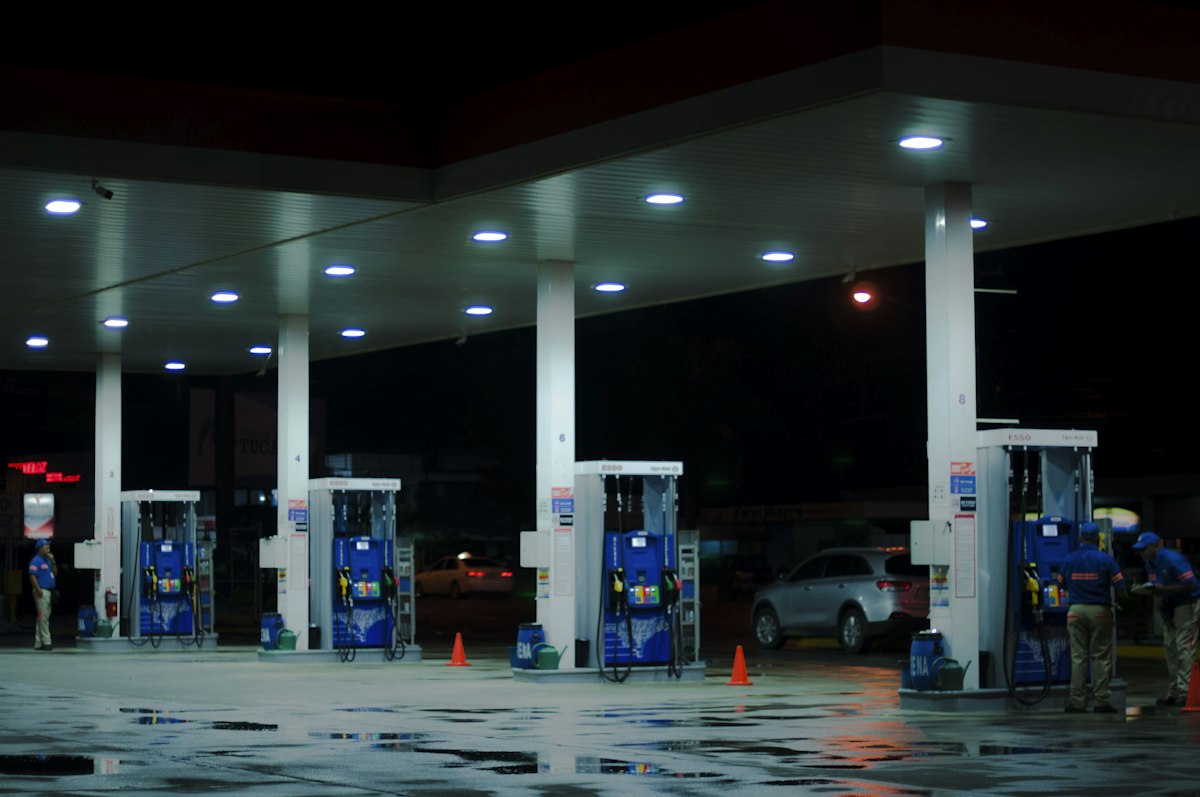
Gas was the main driver: gas prices jumped more than 9 percent from August to September and accounted for more than half of the month's overall increase, according to ABC News. Oil has been surging because of the war with Iran and attacks on tankers near the Strait of Hormuz, with global oil prices above 106 dollars a barrel.
Core inflation, which leaves out food and energy, was a much calmer 2.6 percent, though that was still a bit higher than forecasts.
Why It Matters
The Federal Reserve raised interest rates in September for the first time since 2023 to fight inflation, and it meets again on October 27 and 28. Before the report, traders saw about a 21 percent chance of another hike in October. Right after it, those odds jumped to about 47 percent. Just two weeks earlier, a weak jobs report had almost taken a hike off the table.
That tug of war is the Fed's whole challenge right now: prices are rising too fast, but hiring is slowing down. Higher rates can cool inflation, but they also make it harder for businesses to grow and hire.
"The headline number is what you feel. The core number is what the Fed watches."
The Concept: Headline vs. Core Inflation
Headline inflation measures everything in the basket, including food and energy. Core inflation removes food and energy because their prices can swing wildly from month to month based on things like wars, weather and hurricanes. Economists watch core inflation to see the underlying trend, the price increases that tend to stick around.
This month shows why both matter. The headline number of 3.7 percent is what you actually feel at the pump and the grocery store. The core number of 2.6 percent suggests that, outside of energy, inflation is much closer to the Fed's 2 percent goal. The big question is whether high gas and diesel prices start leaking into everything else, since almost every product you buy is shipped by truck.
Why Teens Should Care
Inflation is basically a tax on cash. If your savings earn nothing while prices rise 3.7 percent a year, your money buys less every month without you doing anything wrong. That is why it is worth keeping savings in an account that pays interest.
It also matters for your paycheck. If you get a raise at your job, compare it to inflation. A 3 percent raise when prices are rising 3.7 percent is actually a small pay cut in real terms. And when you hear adults argue about whether inflation is getting better or worse, you now know to ask a smart follow-up question: are we talking about headline or core?
September inflation rose to 3.7 percent, driven mostly by a jump in gas prices, while core inflation stayed at 2.6 percent. Keep your savings earning interest and judge every raise against inflation.
Want more breakdowns like this?
We break down companies, markets, and money every week — in plain English.
Sources
U.S. Bureau of Labor Statistics CPI release (Oct 14, 2026) · ABC News / Good Morning America (Oct 14, 2026) · investingLive (Oct 14, 2026) · Reuters via Virginia Business (Oct 2, 2026) · Admiral Markets CPI preview (Oct 2026)