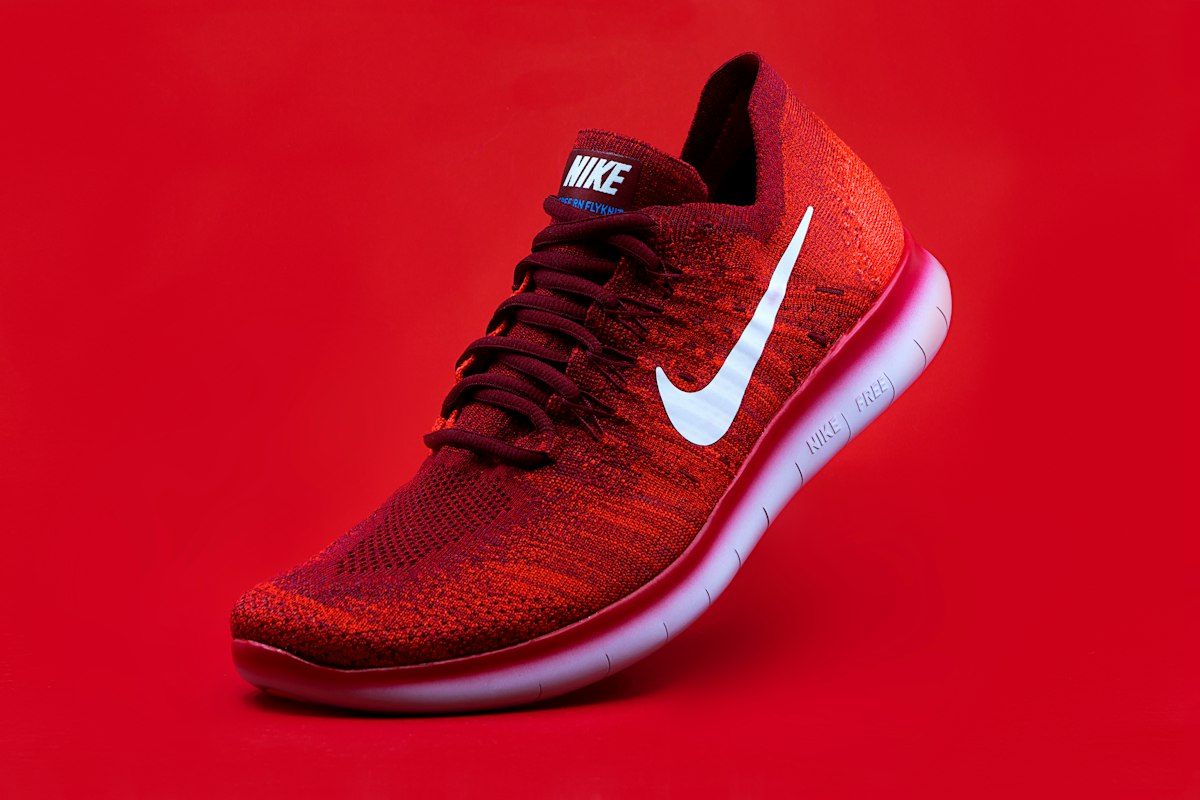
Do you know which country made your Nikes?
Most people don't. And that's kind of the whole point.
Here's something that might break your brain: Nike is the biggest athletic footwear brand on earth, and they have never manufactured a single shoe. Not one. Every pair of Air Force 1s, every running shoe, every cleat — built by workers in factories Nike doesn't own, in countries most of their customers have never visited. So if Nike isn't making anything... what exactly are they doing?
What Happened
Nike was founded in 1964 and has grown into one of the most valuable brands on the planet. In fiscal year 2024, they brought in $51.4 billion in revenue — roughly the GDP of a small country. Their gross margin sits at 44.6%, which means for every $100 Nike earns, they keep nearly $45 after production costs. That's exceptional for a company that sells physical products.
Why It Matters
Nike figured something out decades ago that most companies are still catching up to: you don't need to own the factory to own the market. Today, dozens of the world's biggest brands — Apple, Lululemon, Adidas — use the same playbook. Nike didn't invent outsourced manufacturing, but they proved you could do it at massive scale while still convincing people your product is premium.

The Concept: Asset-Light Model + Brand Equity
Nike's strategy is built around owning two things: design and perception. Everything else gets outsourced. Here's the exact manufacturing breakdown from Nike's FY2024 annual report (10-K filing):
| Country | % of Nike Footwear | What That Means |
|---|---|---|
| Vietnam | Half of all shoes | |
| Indonesia | Over 1 in 4 pairs | |
| China | About 1 in 5 pairs | |
| Other (8 countries) | The rest |
While Nike saves money by not running factories, they spend that money somewhere else entirely: marketing. In FY2024, Nike spent $4.3 billion on "demand creation" — their official term for ads, athlete deals, and sponsorships. That's $11.8 million per day, just to make sure you still want the swoosh.
"Anyone can manufacture a sneaker. Nobody can manufacture being Nike."
The Athlete Deals: Where It Gets Wild
Michael Jordan earns an estimated $280–350 million per year from Nike through royalties on every Jordan Brand sale. The Jordan Brand alone hit $7 billion in FY2024 revenue — growing 6% and outperforming every other Nike division. Jordan's original 1984 deal was $500,000 a year. The royalty clause turned it into the most valuable endorsement deal in history.
LeBron James has a lifetime Nike deal worth approximately $1 billion total — roughly $30 million per year — signed in 2015. It was the first lifetime deal Nike had ever offered anyone.
These aren't just sponsorships. They're calculated brand investments. Every LeBron commercial, every Jordan logo, is Nike paying to make you feel something — and that feeling is why you'll pay $150 for a shoe made for a fraction of that.
Why Teens Should Care
Every time you choose a $150 Nike over a $40 sneaker that performs identically, you're paying for the brand, not the shoe. That's not wrong — it's just useful to know. You're funding a $4.3 billion marketing machine, not a factory.
Nike also sells directly through their own stores and website (called Nike Direct), generating $21.5 billion — about 43% of total revenue. Selling direct cuts out the middleman. That's why Nike has been pulling back from retailers like Foot Locker. The strategy has a name: direct-to-consumer (DTC). It applies to any business, ever. If you start something, remember this principle.
Nike's real product isn't shoes — it's a feeling. And they've built a $51 billion company by making sure you can't get that feeling anywhere else.
Want more breakdowns like this?
We break down companies, markets, and money every week — in plain English.
Sources
Nike FY2024 Annual Report (10-K) · Nike Investor Relations · Sportico · ESPN · Boardroom.tv · Yahoo Finance