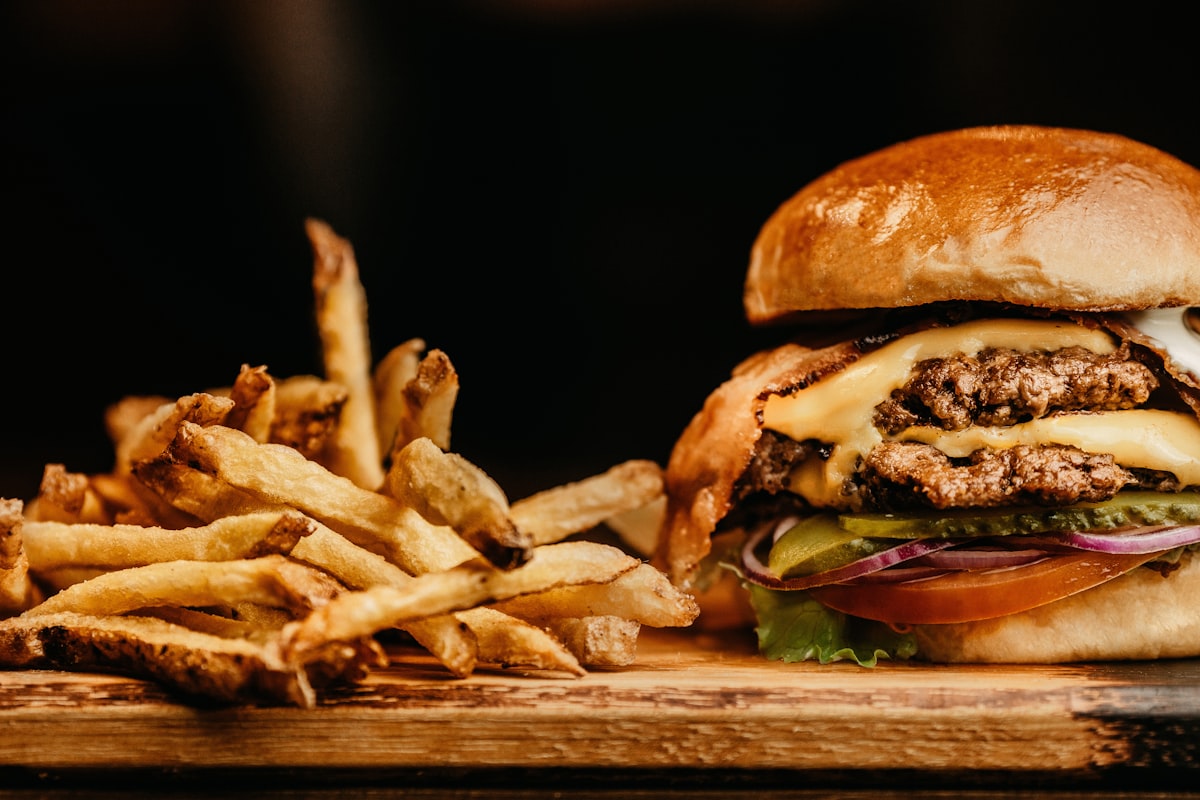
You probably assume a Big Mac costs about the same everywhere. It does not.
In Fresno, California, one McDonald's charged 5.69 dollars for a Big Mac in September while another location just two miles away charged 6.89 dollars, a 21 percent difference. A new investigation suggests the reason has a lot to do with software.
What Happened
On September 29, Reuters published an investigation reporting that McDonald's uses a machine-learning pricing engine to recommend menu prices for each of its nearly 14,000 U.S. restaurants. The system studies data from millions of daily transactions and suggests what it calls the optimal price for each item at each location. Reuters could not confirm that the tool caused the Fresno gap specifically.
The report also said that since January, McDonald's has asked restaurant owners to engage constructively with its approved pricing tools and tracks when they ignore the recommendations. Some franchise owners told Reuters they felt pressured to follow them.
McDonald's pushed back hard. On October 1 it published a statement titled Separating Fact from Fiction, saying AI does not set prices and that its pricing portal is a tool, not a mandate. On October 2, a customer filed a class-action lawsuit in federal court in Chicago accusing the company of using the system to coordinate prices across restaurants. Wendy's and Burger King told Reuters they do not use AI in pricing decisions.
Why It Matters
McDonald's is in a tough spot. Its stock has fallen about 25 percent over the past six months, and its foot traffic has been lower than a year earlier every full month since March, according to Placer.ai. The company wants to protect profits as food and labor costs rise, but every price increase risks pushing customers away.
A tool that finds the highest price each neighborhood will accept without losing too many customers is incredibly valuable for that. It is also risky. Fast food built its brand on being cheap and predictable, and customers who feel they are being charged more because of where they live may lose trust.
"The price you see is not fixed by nature. It is a decision, and increasingly a data-driven one."
The Concept: Franchising and Price Discrimination
Most McDonald's restaurants are owned by independent franchisees, not by McDonald's itself. The franchisee runs the store and legally sets the prices, while McDonald's earns money mainly from a share of each restaurant's sales plus rent on many of the buildings. That is why higher prices can help corporate even when franchise owners worry about losing customers.
Charging different customers different prices for the same product is called price discrimination. It is usually legal and very common: movie theaters charge less for matinees, airlines charge more as a flight fills up, and an airport restaurant charges more than one downtown. Location-based pricing like McDonald's uses is different from personalized pricing, which uses data about you as an individual. The lawsuit's real question is not whether prices vary, but whether a central system is coordinating franchise owners' prices in a way that hurts competition.
Why Teens Should Care
Fast food is one of the places teens spend the most money, and this story shows that the price you see is not fixed by nature. It is a decision, and increasingly a data-driven one.
Practical move: check the app for a couple of nearby locations once. The cheap one usually stays cheap, so you only have to find it one time. Also, app deals and rewards are often where the real discounts live, because they let a company lower prices for people who are most sensitive to cost. And if you are interested in business, this is a preview of the future: pricing analysts and data scientists are becoming some of the most important people at consumer companies.
McDonald's uses a data-driven tool to recommend different prices at different restaurants, and a lawsuit now questions whether that crosses a line. The same item can cost very different amounts nearby, so it pays to compare once.
Want more breakdowns like this?
We break down companies, markets, and money every week — in plain English.
Sources
Reuters investigation (Sept 29, 2026) as reported by IBTimes, TIKR and BizPacReview · Newsweek (Oct 2026) · WTKR News 3 (Oct 2026) · KSNV News 3 Las Vegas (Oct 12, 2026) · AI Business (Oct 19, 2026)