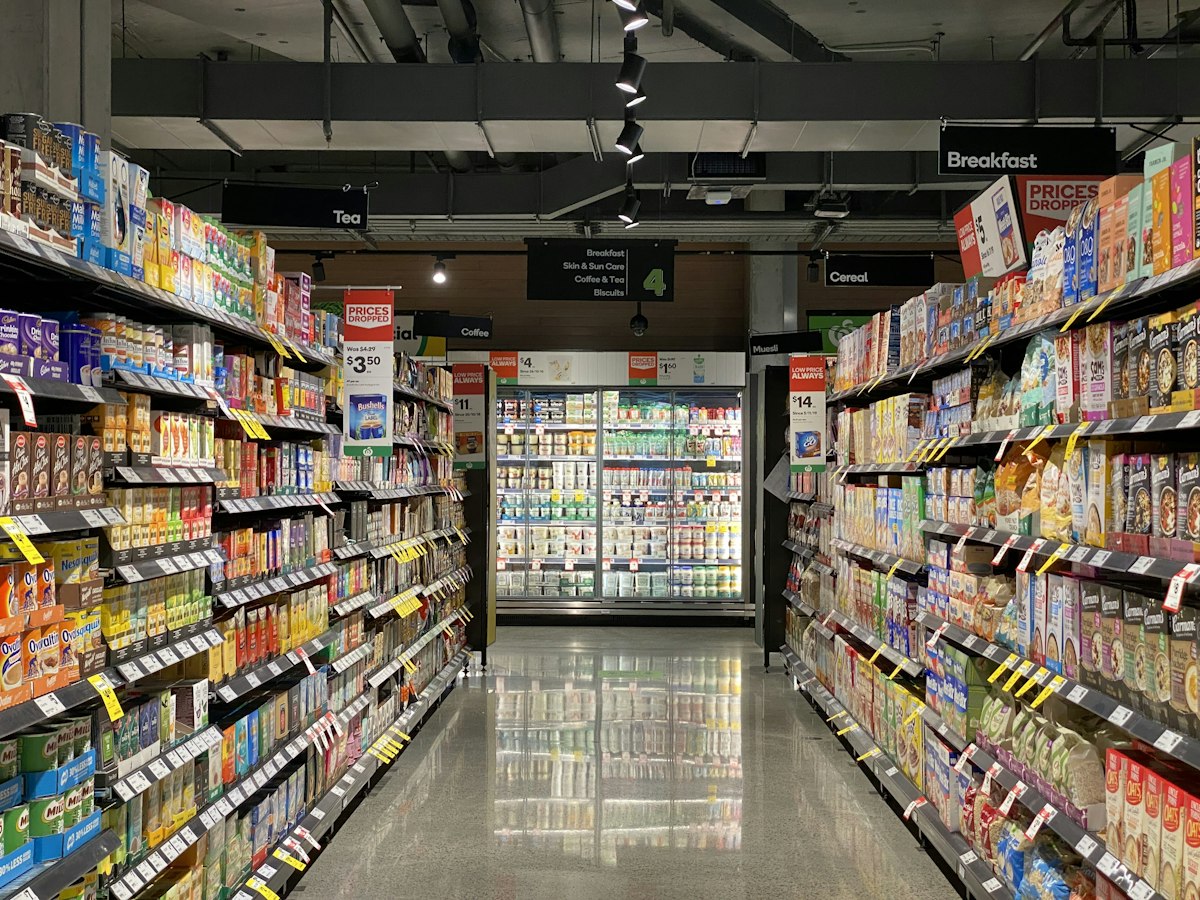
Let's start with something you can feel.
A grande Starbucks latte? Up from $3.65 to nearly $6. Concert tickets. Gas. Groceries. Everything just... costs more. That's not bad luck. That's inflation. And understanding it is one of the most useful things you can do with your brain right now.
What Inflation Actually Is
Inflation is the general rise in prices over time — which means your money buys a little less every year. The government tracks it using something called the Consumer Price Index (CPI) — a giant shopping basket of about 80,000 goods and services (food, rent, gas, healthcare) that the Bureau of Labor Statistics prices every month. When that basket gets more expensive, inflation is up.
The Federal Reserve — the U.S. central bank — targets 2% inflation per year. A little inflation is actually healthy. It means the economy is moving. The problem comes when it gets out of control.
In June 2022, it did. U.S. inflation hit 9.1% — the highest reading since 1981. Energy prices shot up 41.6%, food jumped 10.4%, and gas surged roughly 60%. By early 2026, inflation had cooled to around 2.7–3.3%, but prices never went back down. They just stopped climbing as fast.

How Inflation Happens
There are two main causes, and both happen around you all the time.
Demand-pull inflation: Too much money chasing too few goods. During COVID, the government sent stimulus checks, supply chains broke down, and suddenly everyone was trying to buy the same limited amount of stuff. Prices shot up because sellers could charge more.
Cost-push inflation: When the cost of making something rises, companies pass it to you. Brazil had its worst drought in 91 years in 2021 — which destroyed a huge chunk of the world's coffee crop — which is part of why your Starbucks costs what it does today.
"Inflation doesn't just raise prices — it's a tax on people who hold cash and do nothing."
Shrinkflation: The Sneaky Version
Here's a trick companies use when they don't want to visibly raise prices: they just give you less product for the same price. This is called shrinkflation, and you've definitely been hit by it without knowing.
Why Teens Should Care — And What to Actually Do
If your money is sitting in a regular checking account earning basically nothing (national average: 0.39% APY), and inflation is running at 2.7–3.3%, you are quietly losing purchasing power every single year. Your balance stays the same. Everything it can buy slowly shrinks.
The fix isn't complicated. High-yield savings accounts — offered by online banks like Varo (up to 5.00% APY) and Vio Bank (4.03% APY) — currently pay enough to keep pace with inflation instead of falling behind it. That's a real, meaningful difference over time.
You can't control inflation. But you can stop letting it quietly eat your money while you do nothing about it.
Google "high-yield savings account" and open one this week. It takes 10 minutes, it's free, and it's the single easiest financial move available to you right now.
Inflation doesn't just raise prices — it's a tax on people who hold cash and do nothing. The sooner you understand this, the sooner you can do something about it.
Want more like this?
We explain money, markets, and business every week — without the jargon.
Sources
U.S. Bureau of Labor Statistics (BLS.gov) · Federal Reserve · FinanceBuzz · LendingTree · NerdWallet · Fortune