
Open Shein right now. Or TikTok Shop. Or Sephora's app.
The first thing you'll notice is how weirdly accurate the recommendations are. The exact aesthetic you've been into for the past two weeks. Colors you've been drawn to. Brands of friends in your group chat. Stuff you searched for once and then forgot about. It feels like the app is reading your mind.
It's not. It's reading your data — and there's a lot more of it than you think.
What Happened
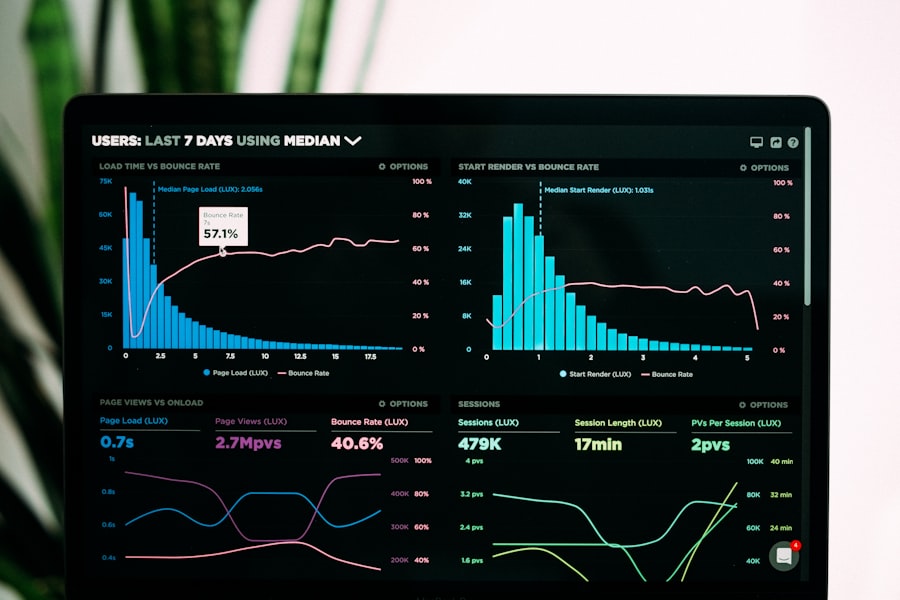
Over the last 15 years, every major retailer figured out the same thing: the most valuable thing they own isn't their inventory. It's their customer data. What you click on, what you scroll past, how long you look at something before scrolling, what time of day you shop, what you abandon in your cart — all of it gets recorded, sorted, and analyzed.
The average shopping app collects information from hundreds of touchpoints per user. The biggest companies have profiles on you with thousands of data points. Brokers — companies whose entire job is buying and selling personal data — operate in a market estimated at over $240 billion globally. You're in their files. So is everyone you know.
Why It Matters
This isn't just creepy — it's the economic engine of modern retail. Brands that personalize well make more money per customer, sell faster-moving inventory, and waste less on advertising. The companies that are best at this (Amazon, Shein, TikTok Shop) are crushing the ones that aren't (most traditional retailers, who are slowly going under).
If you're wondering why malls are dying and your favorite mall brands keep filing for bankruptcy, the answer is partly that they never figured out how to do what your phone does in real time.
The Concept: First-Party Data and Behavioral Targeting
There are two types of data brands collect, and the difference matters:
| Type | What It Is | Example |
|---|---|---|
| First-party data | Info collected directly when you use the app or site | Your purchases, your scrolls, your wishlist |
| Third-party data | Info bought from outside data brokers | Your location history, your other shopping habits, your demographics |
Shein is famous for using first-party data more aggressively than almost any retailer in history. They watch what you tap and don't tap, then literally send that information back to factories to decide what to manufacture next. They can spot a trend in your scroll pattern, design a product, and have it for sale within days — sometimes hours. That speed is impossible without your data.
This approach has a name: behavioral targeting. Instead of guessing what a "16-year-old girl in California" might want, the algorithm watches what you specifically do, then matches you to thousands of other users who behaved similarly. What they bought next is what you'll be shown next. It's terrifyingly accurate.
"If the product is free — or weirdly cheap — you're probably part of the product."
The Sephora Example
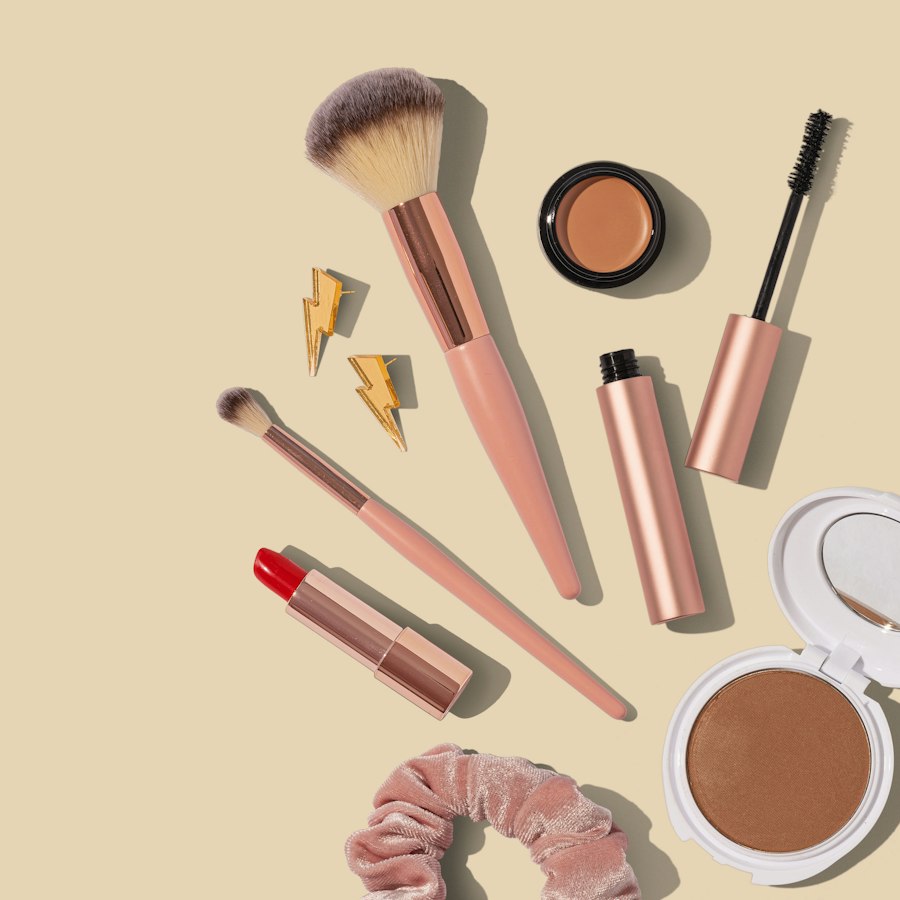
Sephora is one of the most successful data-driven retailers in beauty. Their Beauty Insider program isn't really about points or birthday gifts — it's about getting you to log in, so they can connect every purchase to a real profile. Skin type, brands you love, brands you returned, items you reviewed positively, gift cards you redeemed, in-store visits.
That data feeds their recommendation engine, which drives a huge chunk of their app revenue. The "Just for You" section isn't curated by humans — it's an algorithm running on years of you. The free reward birthday gift? It costs them maybe $4. The lifetime data you give back is worth way more.
Why Teens Should Care
This isn't about being paranoid. It's about being aware. Three things to actually know:
1. You can opt out of more than you think. Most major apps now have privacy controls buried in their settings. Turn off ad personalization. Disable cross-app tracking on your iPhone (Settings → Privacy → Tracking). Disable "share usage data" toggles. None of this kills the app, but it does limit how much they collect.
2. Free apps cost you something. If you're not paying with money, you're paying with data. That's not necessarily evil — sometimes the trade is fine. But it's a trade, and most users don't realize they're making it.
3. Your data has financial value. When TikTok or Meta makes money off ads shown to you, you are the asset. The companies winning right now are the ones with the most detailed profiles on the most people. Knowing this changes how you read every "free" service you sign up for.
You don't have to delete every app — but you should know the deal. Right now, you're a customer and a product, often at the same time.
You aren't shopping at brands anymore — they're shopping you. Your scrolls, taps, and pauses are the actual product. The brands that grew fastest in the last decade are the ones that figured this out first.
Want more on how business actually affects your life?
We connect business and finance to teen life — every week, free.
Sources
Federal Trade Commission Reports on Data Brokers · Pew Research Center (Gen Z Privacy Survey) · Harvard Business Review · Wall Street Journal · Forbes